
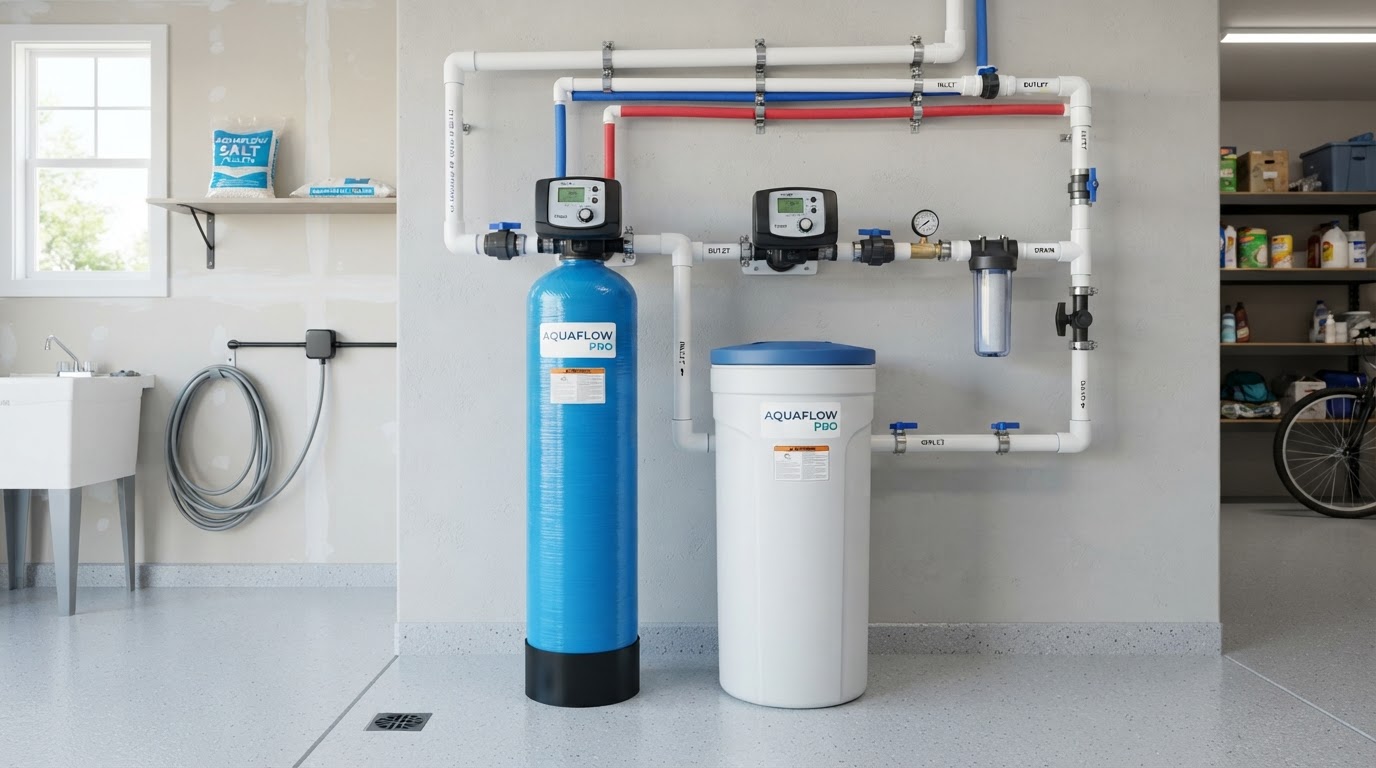
Solutions for Hard Water: Transform Your Water Today!
San Antonio residents often face challenges related to hard water, which can significantly impact household appliances and health. Water softeners are essential in addressing these issues, as they provide a solution to reduce mineral buildup and enhance water quality. In this article, we delve into the signs and effects of hard water, the types of water softeners available, their installation costs, and reliable repair services in San Antonio. We aim to educate homeowners on the importance of water quality testing and highlight potential cost-saving measures through free consultations.
What Are the Signs and Effects of Hard Water in San Antonio Homes?
Hard water presents various visible signs that can affect both health and household appliances. Common indicators include:
- Limescale Buildup: White, chalky residues on fixtures and appliances signal mineral accumulation.
- Soap Scum: Difficulty lathering soap and detergent often indicates hard water issues.
- Dry Skin and Hair: Hard water can strip moisture, leading to skin irritation and dull hair.
Understanding these signs helps homeowners recognize issues early, allowing for timely interventions to prevent further damage or discomfort. The impact of hard water extends beyond aesthetics; it also affects the longevity and efficiency of household appliances, contributing to costly repairs and replacements.
How Does Hard Water Impact Appliances and Health?
Hard water can adversely affect appliances such as dishwashers and water heaters, leading to inefficiencies and premature failures. The mineral deposits accumulate and can clog pipes, resulting in higher energy consumption and increased utility bills. Health-wise, while hard water is not hazardous, it can exacerbate skin conditions like eczema, making hydration and proper skin care crucial.
Moreover, the continuous use of hard water hampers soap's effectiveness, resulting in more extensive use of cleaning products, which may lead to additional expenses for households.
Why Is Water Quality Testing Essential in San Antonio?
Water quality testing is vital for residents of San Antonio to identify the specific minerals and contaminants present in their water supply. Regular testing can reveal the extent of hardness and other potential pollutants, guiding informed decisions regarding water treatment options. Local laboratories and services provide reliable testing tools, making it accessible for homeowners to maintain water safety and quality.
In conjunction with testing, homeowners can better prioritize their investments in purification or softening systems, enhancing the overall health benefits derived from using treated water.
Which Types of Water Softeners Are Best for San Antonio Water Conditions?
Different types of water softeners cater to various needs, particularly in areas plagued by hard water like San Antonio. Selecting the right system ensures effective treatment tailored to local conditions.
| Type | Feature | Benefit |
|---|---|---|
| Salt-Based Water Softener | Uses ion exchange to remove calcium | Provides effective hardness reduction |
| Salt-Free Water Conditioner | Uses template-assisted crystallization | Reduces scale without adding sodium |
| Whole House Filtration System | Cleans water throughout the home | Eliminates contaminants and improves overall water quality |
This comparison underscores the importance of selecting a system based on specific household needs, water usage patterns, and personal health requirements.
What Are the Differences Between Salt-Based and Salt-Free Water Softeners?
Salt-based water softeners utilize an ion exchange process to eliminate hard minerals from water, introducing sodium ions in their place. This method effectively reduces water hardness but requires regular salt replenishing. In contrast, salt-free systems, while not technically softeners, condition water through crystallization techniques that prevent mineral buildup without adding sodium to the water supply.
This fundamental difference can influence both the choice of homeowner and the maintenance routine necessary over time.
Which Are the Best Water Softener Brands Available in San Antonio?
Several brands stand out in the water softening market, particularly for the unique demands in San Antonio. Flexible system options allow homeowners to select based on reviews and specific performance metrics.
- Culligan: Well-known for comprehensive service and superior water treatment technologies.
- Aquasana: Offers smart technology features and a focus on high minerals removal efficiency.
- Fleck: Favored for robust designs and customizable settings suiting diverse households.
Consumer ratings indicate that these brands provide reliable services that meet the specific needs of the San Antonio market, ensuring users receive value for their investment in water softening solutions.
How Much Does Water Softener Installation Cost in San Antonio?
The installation cost for water softeners in San Antonio can vary significantly based on several factors, including system type, complexity of installation, and additional features. Typically, installation costs range from $1,000 to $3,000, depending on the size of the system and the specifics of the installation environment.
What Factors Influence Installation and Repair Costs Locally?
Factors affecting installation costs include:
- System Size: Larger systems often require more extensive installation processes.
- Labor Costs: Rates for skilled labor can vary based on experience and service complexity.
- Existing Plumbing: Older plumbing systems may need updates to accommodate new installations.
Understanding these cost influences enables homeowners to better budget for their water softening needs while ensuring a functional system is in place.
How Can Free Water Testing and Consultations Save You Money?
Free water testing and consultations are valuable services available to San Antonio residents that can lead to significant savings. Utilizing these services allows homeowners to understand their water quality needs comprehensively, thereby:
- Identifying Treatment Needs: Knowing the specific contaminants allows users to choose appropriate solutions, preventing unnecessary expenditures on ineffective systems.
- Maintaining Systems: Understanding water composition can guide regular maintenance schedules, extending the life of the softening system.
- Comparing Solutions: Consultations often provide insights into the most efficient and cost-effective systems available, helping homeowners make informed decisions.
This proactive approach can save both money and time in the long run.
Where Can You Find Reliable Water Softener Repair and Maintenance Near Me in San Antonio?
When it comes to maintaining water softeners, finding reliable local repair and maintenance services is essential. An extensive range of services can ensure that your systems operate efficiently and effectively.
What Repair Services Do Local Water Softener Experts Provide?
Local specialists provide a variety of essential repair services, including:
- Regular Maintenance Checks: Ensuring that systems are functioning optimally and prolonging their lifespan.
- Emergency Repairs: Addressing sudden lapses in service to prevent ongoing damage and disruption.
- Replacement Services: Offering solutions for outdated or inefficient systems, guiding upgrades that enhance performance.
Access to these services allows homeowners to maintain their softening systems' integrity over time.
How Do Regular Maintenance and Troubleshooting Extend System Life?
Regular maintenance plays a pivotal role in extending the life of water softener systems. Routine checks ensure the following:
- Early Issue Detection: Identifying problems before they escalate saves on repair costs.
- Optimal Performance: Consistent performance checks maintain system efficiency.
- Budget Management: Maintaining operations minimizes potential emergency service expenses.
Investing in maintenance guarantees longevity and functionality, allowing families to experience the benefits of soft water without interruption. For expert San Antonio water softeners and professional installation, contact Water Softeners of San Antonio for a free consultation.
Frequently Asked Questions
How can hard water affect your clothes?
Hard water can have detrimental effects on your laundry, causing clothing to look dull and lifeless. The mineral deposits in hard water can lead to soap scum buildup, which prevents detergents from properly lathering and cleaning clothes. This can result in clothes feeling stiff and rough after washing. Additionally, over time, hard water can cause premature fading and discoloration, especially in darker garments. Using a water softener can significantly improve the softness and longevity of your laundry.
What's the lifespan of a water softener system?
The typical lifespan of a water softener system ranges from 10 to 15 years, depending on the type, usage, and maintenance practices. Salt-based water softeners may require more frequent maintenance, including regular salt refills and occasional resin tank cleanouts, which can influence their overall longevity. Salt-free systems, while often needing less maintenance, may still require periodic checks to ensure efficient operation. Regular professional servicing can optimize the lifespan of any water softener, ensuring it operates effectively throughout its life.
Are there any health concerns related to using a water softener?
While water softeners mitigate hard water issues, some health concerns can arise, particularly regarding sodium in salt-based systems. These systems can increase sodium levels in drinking water, potentially affecting those on low-sodium diets. Additionally, some individuals might experience skin irritation if the resin material in softeners isn't properly maintained. It's advisable for consumers to regularly test soft water quality and consult with health professionals to ensure it meets personal health needs.
Can water softeners be used with well water?
Yes, water softeners can be effectively used with well water, and doing so can significantly improve water quality. Well water often contains high levels of minerals, which can lead to hard water issues similar to municipal supplies. However, it is crucial to conduct tests on the well water first to understand its hardness levels and contaminants. Based on the results, homeowners can choose the appropriate type of water softener that best suits their well water conditions.
What maintenance is required for water softeners?
Regular maintenance for water softeners is essential to ensure optimal performance and longevity. Homeowners should routinely refill salt in salt-based systems, monitor the brine tank, and clean the resin bed as needed. Additionally, a yearly system inspection by a professional can check for leaks, test for hardness levels, and address any performance issues early. Proper care extends the lifespan of the system and maintains water quality, ensuring users benefit from soft water consistently.
Can I install a water softener myself?
While some homeowners may attempt to install a water softener themselves, professional installation is often recommended. DIY installations can result in improper setups that may lead to inefficiencies or future problems depending on plumbing configurations. Hiring a professional ensures that the system is correctly sized, installed according to local building codes, and thoroughly tested upon completion. This expertise guarantees proper operation, maximizing the benefits of the water softening system.
How can I tell if my water softener is working properly?
To determine if your water softener is functioning correctly, monitor the water's softness level and check for signs of hardness, such as soap scum, limescale, or dry skin. A noticeable increase in water hardness can indicate a malfunctioning system. Additionally, regular tests can reveal high levels of calcium and magnesium. Many modern water softeners also have diagnostic features that alert users to issues. If performance problems persist, consulting a professional is advisable for troubleshooting.